
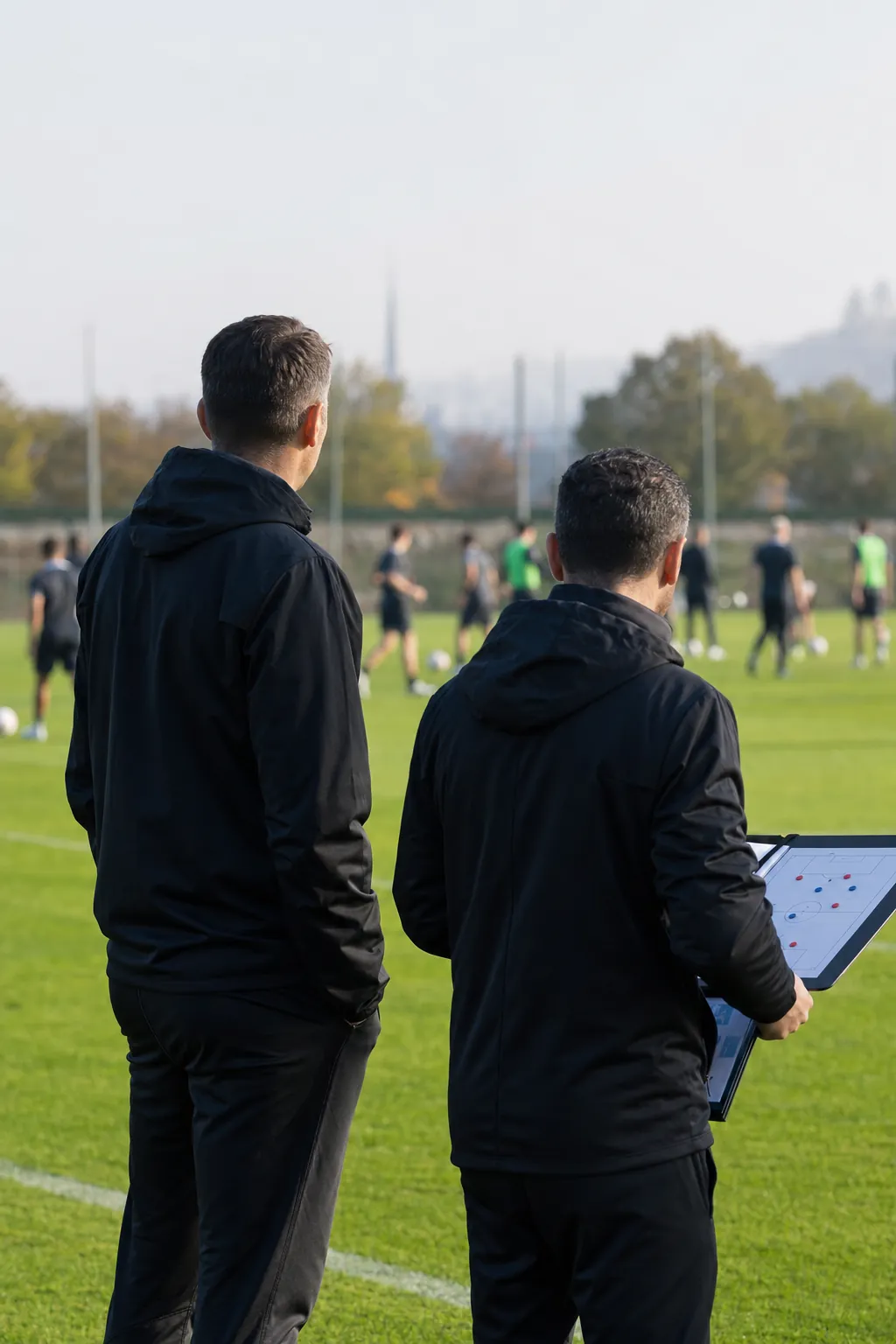
A productive preseason camp is not a collection of reservations wrapped around a training schedule. It is a protected working environment: enough pitch access to deliver the football, enough space to recover and meet, and enough operational control that staff can adjust the plan without losing the day. That is why the camp should be designed around the team’s objectives, not the destination.
1. Start with the football, not the brochure
The first conversation should define what the staff need the camp to move forward. That might be a physical-loading block, a tactical reset, the integration of new players, controlled minutes for a returning group, or a sequence of friendlies before competition. The answer changes the right duration, the pitch requirement, the opponent profile and the rhythm of every day.
Put the priorities in order. A group that needs two sessions most days needs protected training access and practical travel between hotel and pitch. A team focused on tactical detail needs meeting space, video capability and a setting where the day can run to a stable rhythm. A squad with players at different stages of return needs flexible recovery, gym and medical arrangements. A training camp cannot fix a vague football brief, but it can make a clear one easier to deliver.
Use the question, “What must be better by the final day?” to keep the plan honest. It gives every request a reason, whether that is an additional training window, a closed friendly or a quieter hotel floor. The DFLD approach starts in the same place: dates, squad needs, training intent and the level of opposition required.
2. Build a daily rhythm that protects the work
The best camp schedules look calm because the difficult decisions were made early. Players and staff should understand when they train, eat, meet, recover, travel and switch off. That does not mean every minute is fixed. It means the plan has enough margin to absorb a delayed arrival, a longer medical appointment, weather, media commitments or a coaching change without turning the whole day into a compromise.
Start with the hard constraints: confirmed pitch windows, travel time, meal service, meeting availability and match commitments. Then protect the moments that tend to get squeezed when a camp is planned around convenience: recovery after travel, individual work, staff preparation, player treatment and a short period of genuine downtime. A packed itinerary may look efficient on paper, but it gives the football department no room to make good decisions in real time.
The FIFA Training Centre’s elite practice library is a useful reminder that elite work is built around a purpose, whether the focus is game principles, positional detail or match preparation. The location and operating plan should protect that purpose rather than compete with it.
3. Choose the environment for repeatability
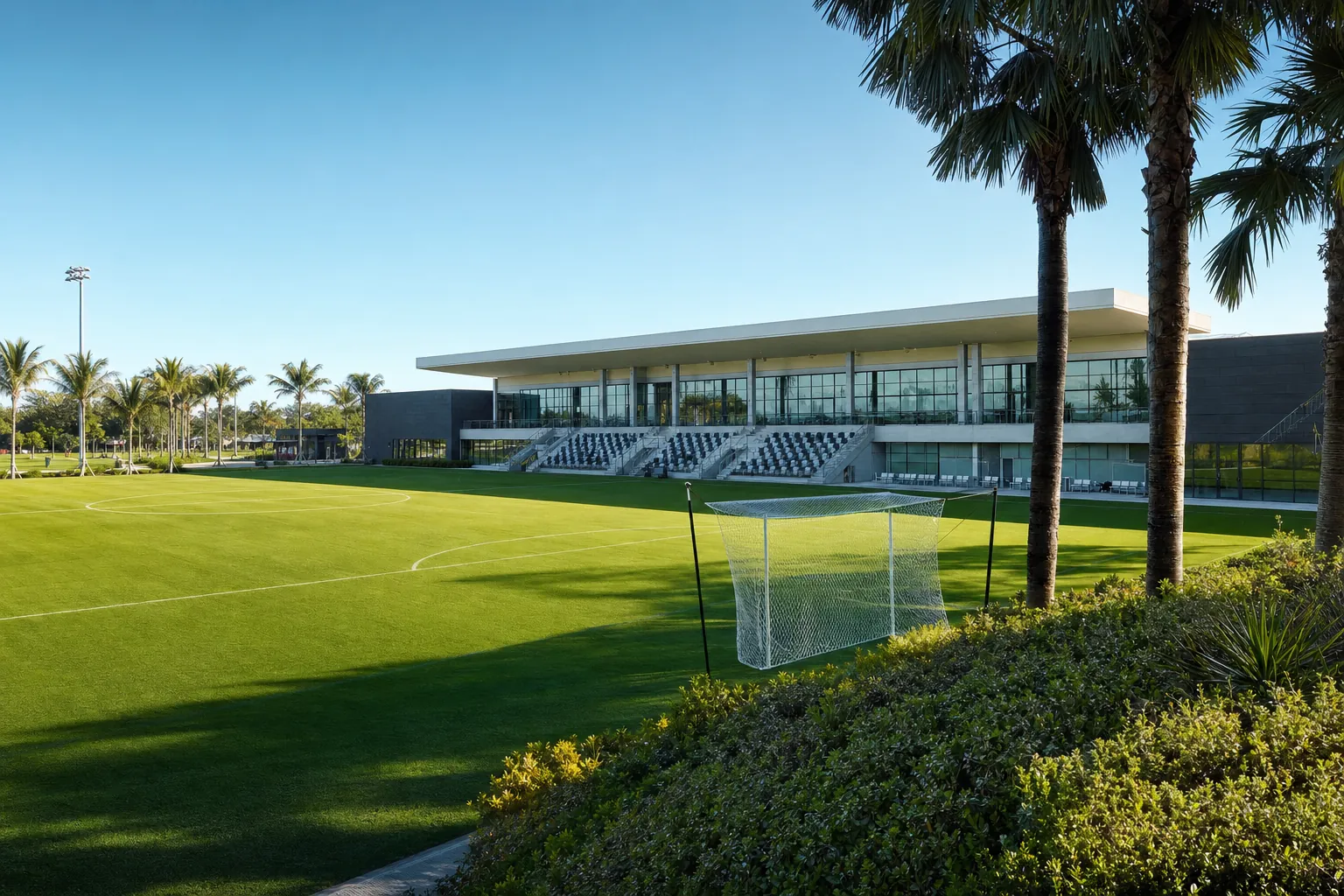
A strong first impression does not make a strong training base. Staff need to know whether the group can repeat the essential parts of the day at the right standard. That means looking beyond a single attractive pitch or hotel lobby and asking practical questions: Is the surface available at the required times? Can the team work privately? Where do video, gym, treatment and recovery take place? How long is the real transfer, including loading, security and traffic? What happens if the schedule needs to change?
Training access comes first. The quality of the surface, number of pitches, access to goals and equipment, and the ability to hold an extra session all affect the coaching plan. The IFAB’s field-of-play standards provide a useful baseline for the dimensions and markings expected in regulation football. For a camp, the more important test is whether the facility works for the specific exercises, match preparation and squad management the staff intend to run.
Accommodation is part of the performance environment too. It should allow the group to eat, meet, sleep and recover without unnecessary public traffic or long internal walks. The right hotel is not necessarily the most elaborate one. It is the one that lets the team control the day, protect privacy and keep the football department close enough to the players to solve small issues before they become bigger ones.
Florida can work especially well for teams looking for warm-weather preparation, direct operating lines and an environment built around the group. DFLD’s Florida football camps are designed around those practical requirements, while the wider destination network gives staff options when another setting better suits the sporting objective.
4. Treat friendlies as part of the training plan
A friendly should answer a football question. It may give a new structure competitive minutes, test a pressing trigger, expose the group to a particular style of opposition or simply help staff manage the ramp from training to match load. The value is not in the fixture list alone. It comes from the fit between the opponent, timing, travel, minutes plan and the work that follows.
Start with the desired match problem. Do the coaches want an opponent that presses high, defends deep, carries a physical threat or matches the likely rhythm of the upcoming competition? Then build the event around it: a suitable ground, reliable kick-off timing, controlled access, staff working areas, warm-up space and a return plan that does not erase the recovery value of the day.
Minute management deserves the same attention. A camp can include a good match and still create a poor load pattern if the squad’s returners, young players and established starters are all treated the same way. The staff need enough control around the game to use it as a training tool, not a standalone occasion. That is why DFLD combines friendlies with the wider camp operation rather than treating fixtures as an add-on.
5. Plan for the margins, because the margins become the day
The operational details are not secondary when the group is away from its normal base. Arrival sequencing, baggage, equipment, ground transport, meal timing, rooming, training equipment, local contacts and staff communication all shape how smoothly the football programme runs. Each item looks small in isolation. Together, they determine whether the staff are spending time on the pitch or chasing the next issue.
Build one operating document that gives every department the same version of the day. It should cover movements, contacts, session locations, meal windows, meeting times, match details, medical and equipment requirements, and the person responsible when a decision needs to be made. Keep it usable. A document that tries to cover every contingency in fifty pages usually gets ignored. A clear run sheet, backed by an on-site lead who knows the sporting priorities, gets used.
Allow for changes before they happen. Keep a realistic transfer buffer, confirm who can authorize a late adjustment, and make sure the hotel, venue and transport providers understand who receives operational updates. Privacy matters here as much as speed. A professional group needs enough control to work quietly, without an unnecessary stream of interruptions or decisions passing through people who do not understand the football context.
Equipment deserves its own check, especially when the staff expect to work at a particular level from the first session. Confirm what travels with the team, what can be supplied locally, where it will be stored and how it reaches the pitch. The same applies to video, communications and medical equipment. A missing item rarely stays a small problem when it is discovered ten minutes before training. The answer is not a more complicated schedule. It is a simple responsibility list that makes every handoff visible.
Also define the working relationship on site before the group arrives. The head coach, team manager, medical lead, equipment staff and operations lead should know who handles the day-to-day questions, who can make a change and how quickly an issue should be escalated. That clarity reduces noise around the squad. It also means that a late pitch adjustment or transport change can be resolved without dragging senior staff away from the football.
6. Match the camp to the point in the season
There is no universal preseason template. A camp before the first competitive fixture has different needs from a mid-season reset or an international-window block. The calendar changes the balance between training volume, match exposure, travel tolerance and recovery. It also changes how much time the staff have to correct something after a friendly or respond to a player who is not yet at the required level.
For an early preseason block, the emphasis may be on establishing the daily rhythm and progressive work. Later in the preparation period, friendlies and match-specific detail may carry more weight. For a team moving between climates or competitions, the travel and recovery plan can become a central part of the sporting decision. The team programmes page outlines the different situations DFLD supports, from club preseason through to national-team and tournament preparation.
The practical test is simple: can the camp create a useful next step for this group, at this moment, without adding avoidable fatigue or friction? If the answer is not clear, the location is probably being asked to solve a problem it cannot solve.
7. Leave with a clear handover into competition
The final camp day should not feel like the end of a separate project. It should set up the return to the club base, the next fixture or the next phase of preparation. Before departure, staff should have a shared view of the training outcomes, player status, friendly observations, outstanding equipment needs and the first few days that follow. That handover gives the camp a purpose beyond the travel itself.
Review the same priorities set at the beginning. Did the group complete the planned work? Did the daily environment make that work easier? Did the friendlies give the coaches useful information? What needs to change before the next block? The answers make the next camp better and prevent teams from repeating the same operational compromises because no one captured them while they were fresh.
It is also worth capturing what the group should keep. A good camp often reveals simple habits that can travel back to the normal working week: a clearer meeting rhythm, a more useful recovery window, a better sequence around training or a more direct line between the football and operations staff. The camp is temporary, but the habits it establishes do not have to be.
For the next planning cycle, record the details while they are still specific. Which transfer was tighter than expected? Which facility time gave the staff the best working window? Which friendly produced the right test? Which part of the hotel operation made the day easier? That feedback turns experience into a better sporting environment instead of leaving it as a collection of good intentions.
How DFLD helps teams plan a better camp
DFLD works from the team’s objectives outward. Dates, training intent, squad needs and preferred opposition shape the choice of environment, the daily schedule and the operating plan. That includes training access, accommodation, match arrangements, transport and on-site delivery, so the football department can focus on the work rather than the friction around it.
For teams considering a Florida base or an international option, a camp brief conversation is the place to start. The useful questions are the sporting ones: what the group needs to achieve, when it needs to happen and what the environment must make possible.
Frequently asked questions
How long should a professional soccer preseason camp be?
The useful length is the length that gives the staff enough time to progress the work without forcing an artificial schedule. A compact camp can sharpen a clear theme, while a longer stay can support a more complete physical, tactical and match-preparation block. The right answer depends on the calendar, travel load, squad status and the first competitive fixture.
Should a preseason camp include friendly matches?
Usually, yes, but the match plan should serve the training plan. The right opponent, venue, kick-off time and squad-management rules matter more than simply adding games. A friendly can test the work, expose the next priority and help staff manage minutes before the season begins.
What matters most when choosing a soccer training-camp location?
Start with daily pitch access, recovery space, privacy, travel time and the availability of suitable opponents. Climate and hotel quality matter, but the best location is the one that lets the team carry out the football plan without avoidable compromises.