The right football base
Training access, accommodation, recovery and meeting space that support the work staff need to complete every day.

DFLD team programmes
Bring training, friendly matches and team travel into one European programme built around the work the football department needs to complete.
Request a European tour brief →A working European base
A European soccer tour should give the team more than a change of location. Coaches need dependable training access and an environment that suits the intended work. Medical and performance staff need recovery, treatment and movement patterns they can rely on. Team operations need the accommodation, transport, equipment and staff schedule to work without pulling attention away from the group.
DFLD starts with that football and operations brief. The team may need a warm-weather preseason block, a compact international window, a controlled run of friendly matches or a competitive base around a particular fixture. From there, the country, training environment, hotel, travel plan and match requirements can be shaped into one programme that gives staff a clear operating rhythm from arrival through departure.
Training access, accommodation, recovery and meeting space that support the work staff need to complete every day.
Relevant opposition, match timing and venue detail that support the training cycle rather than interrupt it.
Player arrivals, equipment, transfers, meals and staff movements arranged as one clear programme.
Start with the daily work
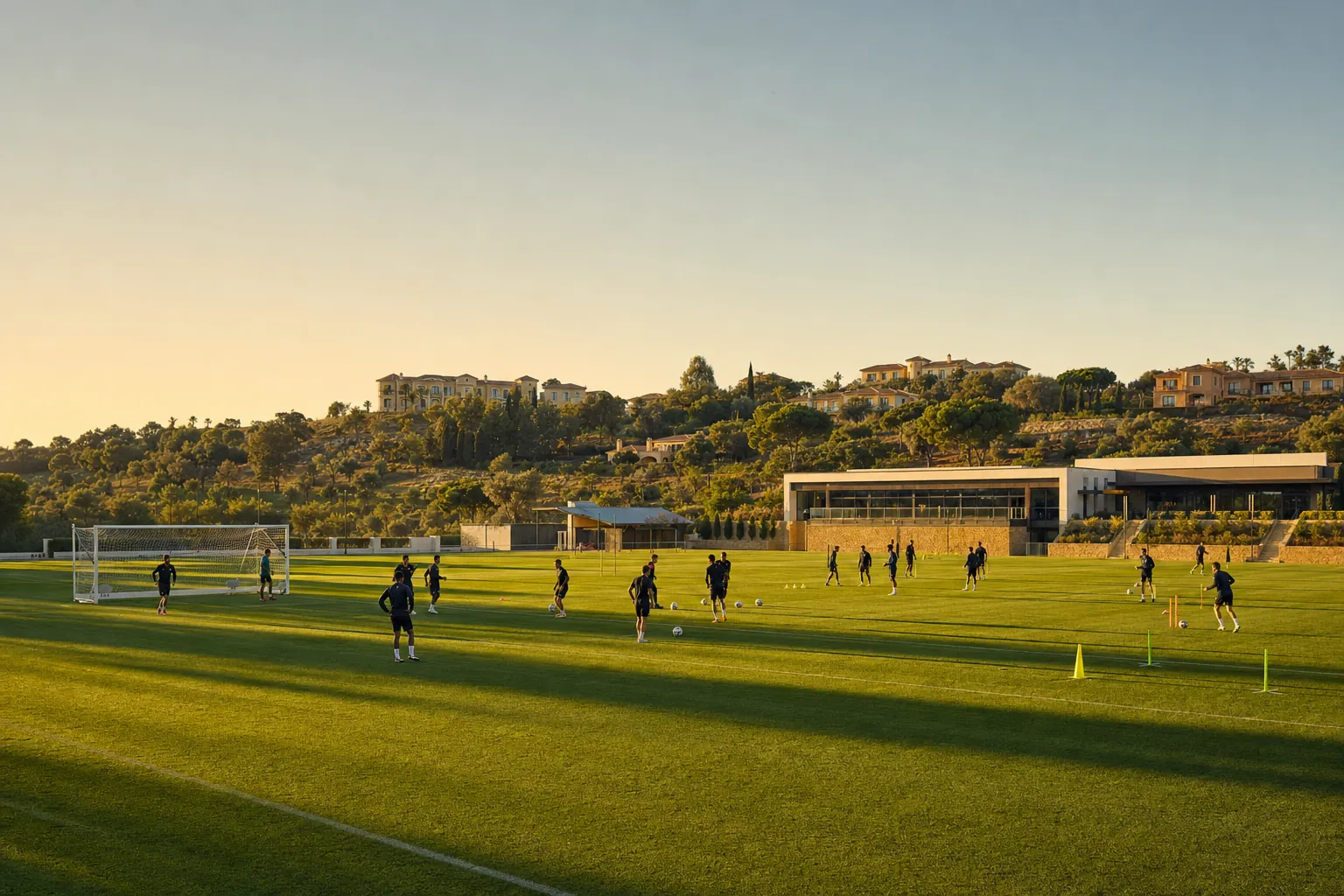
The best European base makes the important parts of the day repeatable. Staff need enough pitch availability to deliver the planned sessions, practical travel between accommodation and training, room for meetings and treatment, sensible meal timing, recovery provision and the privacy to work without distraction. A location can look impressive on arrival and still be wrong for the team if the daily route creates unnecessary friction.
DFLD draws on selected football environments across Spain, Portugal, Germany, Switzerland, Austria and Italy. The choice is not a catalogue exercise. It comes back to the climate, calendar, travel profile and football objective in front of the staff, then to whether the base can support that work for the full stay.
Travel without distraction
International travel creates pressure before the team reaches the pitch. Players, coaches, support staff and equipment can arrive on different flights, often with limited time before the first meeting or session. A clear arrival sequence, baggage route, rooming plan, ground transport and point of contact gives the group the right start and keeps staff from having to manage the trip in fragments.
Once the tour is underway, changes still need to be absorbed calmly. A training time moves, a player needs a different transfer, equipment must reach a second venue or a fixture detail shifts. DFLD brings accommodation, training venues, transport partners and match contacts around one practical run sheet. That gives the football department a reliable view of what happens next, while keeping decisions close to the original brief.
Matches with a purpose
A friendly match earns its place when it answers a football question. The staff may need specific minutes for returning players, an opponent with a particular style, a chance to test a structure or a competition-like setting before an important date. The opponent, venue and kick-off time need to serve that aim, but so do the team movements, warm-up space, working areas, equipment plan and recovery after the final whistle.
Through DFLD's FIFA match agent services, the fixture can be planned as part of the wider European tour rather than as a separate event. This keeps the match conditions connected to training load, travel and the next stage of the programme. The team gets a useful sporting reference point without sacrificing the operational control needed before and after it.
That same approach applies when a tour is built around more than one match. The programme can create enough margin between fixtures for the squad to train, recover and adapt, while each game has a clear purpose in the wider sequence. The value is not simply more games. It is a plan that lets the staff use the games well.
One programme, shared early
The sporting and operational sides of a European tour are inseparable in practice. Coaches need training access and relevant opposition. Medical and performance staff need the right recovery conditions and a manageable travel profile. Team managers need arrivals, accommodation, meals, equipment and local movements to be clear. Senior staff need confidence that the programme can change without becoming disjointed.
DFLD turns those needs into one shared plan before the group travels. The initial brief creates the framework for venue choices, travel movements, training windows and match arrangements. Once the team is on the ground, the same framework helps people assess changes quickly and keep the day moving. That continuity is what makes a European tour feel controlled rather than improvised.
See how DFLD works →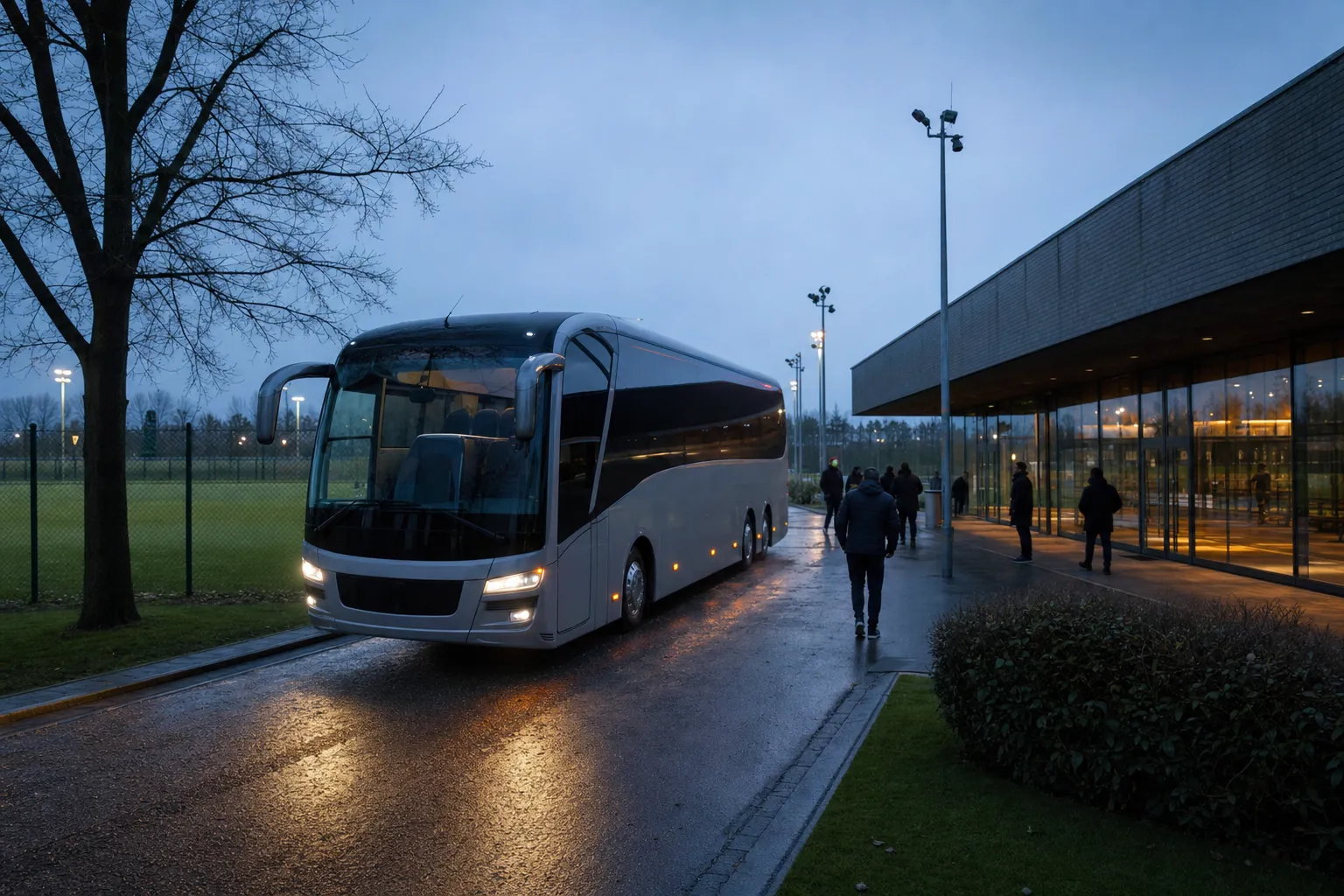
Built for the moment
A European preseason tour gives a team the space to build work progressively, but only when the base and daily rhythm can keep pace with the football plan. DFLD starts with the intended load, player return points and the role of each friendly, then shapes the training access, accommodation, recovery and movements around that brief. The result is a setting that lets the group establish useful habits before the competitive schedule begins.
When time is short, a clear route from airport to first session matters. Players and staff may arrive from several clubs, and the match schedule can lead the entire week. DFLD can bring the training base, team movements, accommodation and friendly-match requirements into one focused plan, so the staff have more time to prepare the group and less time solving avoidable travel issues.
A tour built around a fixture needs more than a good stadium. The training window, opponent profile, travel time, warm-up requirements, staff working areas, post-match recovery and return to the team base all influence whether the match helps the wider programme. DFLD keeps those details connected from the first brief, making the fixture a useful football moment rather than a disruption to the week.
Whether the team is travelling for preseason, a short international window or a competitive programme, the test remains the same: does the environment help the staff complete the work in front of them? DFLD builds the European tour around that answer, then carries the operational detail through every stage of the stay.
Frequently asked questions
DFLD can consider selected professional football environments in Spain, Portugal, Germany, Switzerland, Austria and Italy. The right option depends on the timing, climate, travel profile, training priorities and the type of match opportunity the team needs.
Yes. DFLD can arrange relevant friendly matches as part of the wider tour plan, with the opposition, venue, kick-off time, team movements and recovery considered alongside the training work.
DFLD works with professional clubs, women's professional teams, national teams and senior development groups that need a European programme built around a serious football and operations brief.
A useful first brief includes the team type, dates, intended length of stay, training objectives, likely travelling party, preferred countries or climate, player-arrival considerations and any friendly-match requirements.
Ready when your team is