The performance plan
Training intent, squad status, the point in the season and the role each match needs to play.

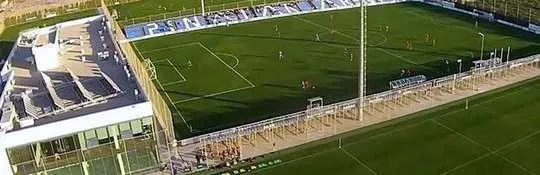
DFLD team programmes
A focused training environment, relevant matches and a clear operating plan for clubs and federations that need the camp to move the football forward.
Request a camp brief →The job of the camp
A professional camp should not feel like a travel arrangement with sessions dropped into the gaps. It should give coaches, players and support staff an environment that protects the work: the right training access, a sensible daily rhythm, room to recover and enough operational control to make good decisions as the week develops.
DFLD plans the camp around the team’s objectives. The group may need a warm-weather preseason block, a mid-season reset, a controlled match programme or a base for an international window. The shape changes, but the purpose stays the same: remove avoidable friction so staff can focus on the football.
Training intent, squad status, the point in the season and the role each match needs to play.
Training surfaces, privacy, meeting space, recovery and a team base that supports the rhythm of the day.
Travel, equipment, meal windows, training movements and a single point of coordination on the ground.
A base that works every day
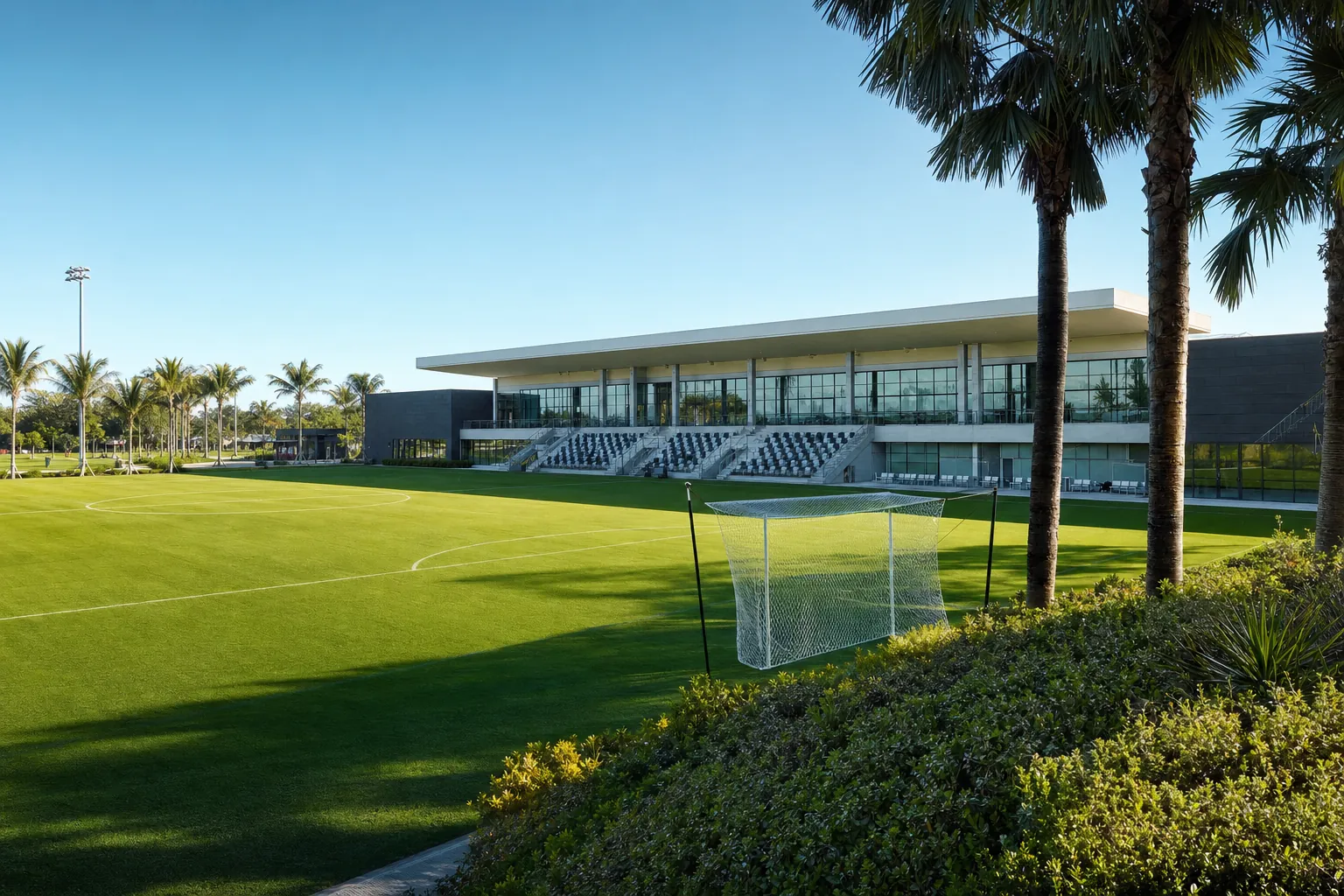
The right base makes the important parts of the day repeatable. Staff need clear pitch windows, practical movement between accommodation and training, reliable spaces for meetings and treatment, and enough privacy for the group to work without distraction. A strong camp is not defined by one good session. It is defined by whether the team can repeat the work at the right standard for the full stay.
That is why the venue choice starts with the football. Surface, pitch availability, equipment access, recovery provision, transfer time and the ability to adjust the schedule all matter before a hotel view or a brochure headline. DFLD's Florida football camps are built around that daily practicality, with warm-weather bases that can bring the training environment, recovery and team operations closer together.
The daily operating plan
Professional groups need a schedule that is clear without becoming rigid. Training, food, meetings, recovery, travel and downtime all need a place, with enough margin for the changes that inevitably appear once the team arrives. A delayed flight, a longer medical appointment or a coaching adjustment should not unravel the entire day.
DFLD brings those moving parts into one practical run sheet. It covers team movements, training locations, meal windows, match details, equipment and the people responsible for key decisions. The goal is not paperwork for its own sake. It is clarity for the staff who need to know what happens next, and a responsive on-site lead who can resolve small issues before they absorb the football department's attention.
From arrival to departure
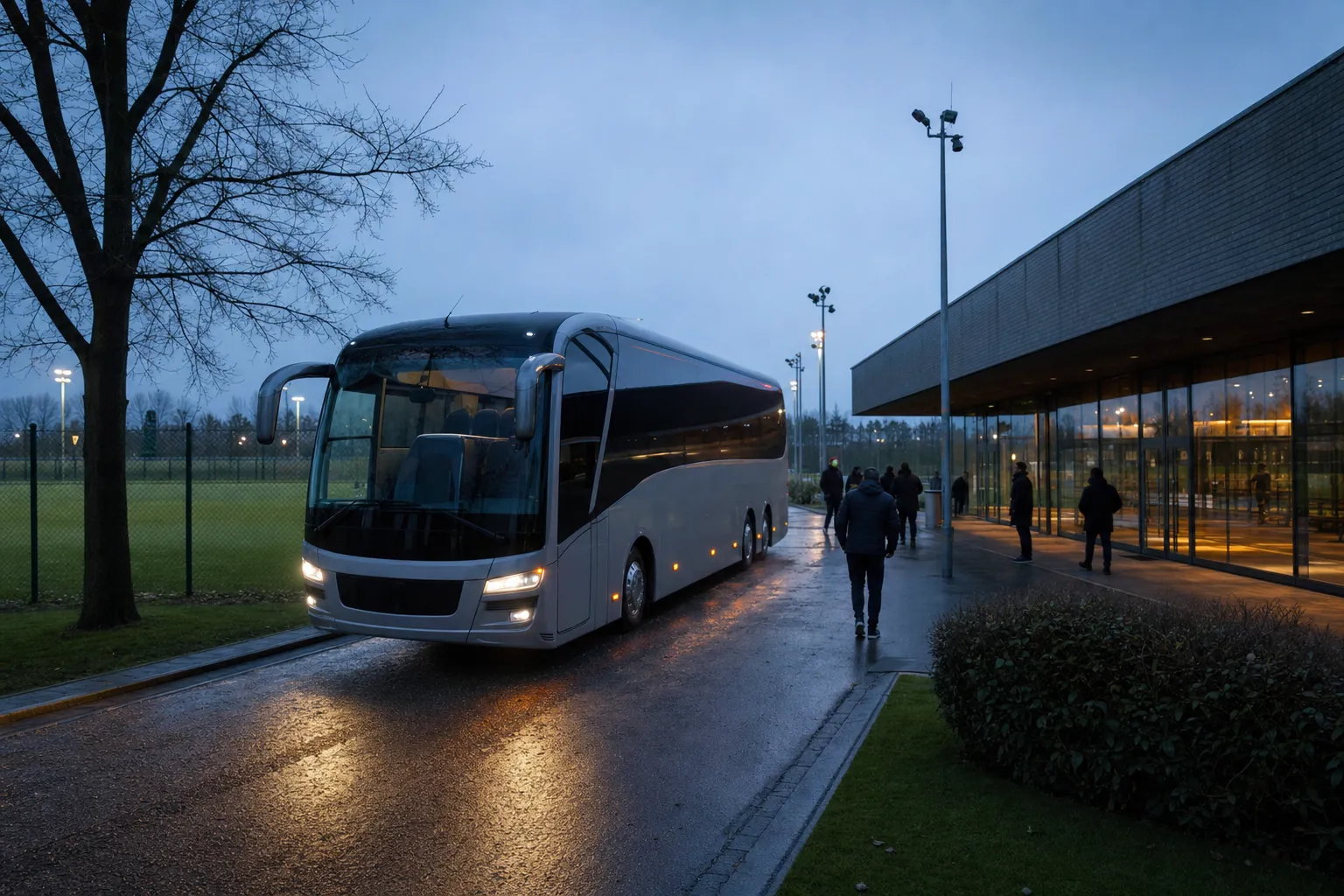
Camp delivery begins before the first session. Arrival times, rooming, baggage, equipment, ground transport and staff movements need to work as one sequence, particularly when players and staff arrive from different locations or the group has a narrow window before training begins. A plan that looks sound in a presentation can still lose the first day if equipment is separated from the team, the transfer flow is unclear or a training slot starts before the group is actually ready to work.
DFLD coordinates the practical handoffs that sit around the football department. That includes the communication between accommodation, training venues, transport partners and match contacts, with a clear route for changes or questions. The aim is to keep decisions close to the people who understand the brief, rather than forcing coaches or senior staff to spend time translating operational issues while the group is away from its normal base.
The same discipline matters at the end of the stay. Before departure, staff should have a clear view of what the camp delivered, the status of the group, any remaining equipment or travel details, and the next steps once competition or the return to the club base begins. The camp should support the next phase of the season, not leave the team with a new set of loose ends to resolve.
Matches with a purpose
A match earns its place when it serves the training cycle. The coaches may want to test a new structure, build minutes for returning individuals, face a particular style of opposition or prepare for the rhythm of the next competition. The opponent, venue, kick-off time and return plan should all support that purpose.
DFLD can integrate suitable match opportunities into the wider camp operation, rather than treating the fixture as a separate event. That means considering warm-up space, staff working areas, travel, squad management and recovery alongside the match itself. The result is a game that gives the staff useful information without creating avoidable disruption around it.
Different points in the season
Preseason gives staff the most room to establish a new rhythm, introduce tactical work, build physical load and manage the first competitive minutes. The camp needs enough training access to progress the work, but it also needs the space to adapt as players return at different stages. Matches can be planned as useful tests, with the opponent and minutes plan chosen around what the coaches need to learn before the first fixture. Explore DFLD's preseason soccer camps for teams for a dedicated planning route.
A mid-season camp is usually more precise. The group may need recovery after a dense run, a focused tactical block, time for individual work or a controlled environment before the schedule begins again. Travel, transfer time and the daily load need particular attention because there is less margin to absorb fatigue. The best base is the one that lets the team do the required work cleanly, then return to competition without unnecessary drag.
For a national team or tournament group, the camp must create clarity quickly. Staff and players may arrive from different clubs, the preparation time can be short and the match schedule often leads every decision. DFLD can shape the base, training access, movements, accommodation and match arrangements around that compressed window, so the staff have an operating plan that supports the group from the first arrival through to departure.
The common question is not which format sounds most impressive. It is whether the environment gives the staff the right conditions to complete the work in front of them, without draining time and attention from the people leading the football. DFLD starts with that decision, then builds the venue, daily rhythm, match arrangements and delivery plan around it.
Frequently asked questions
DFLD works with professional clubs, national teams, women's professional teams and senior development groups that need a camp built around a genuine football and operations brief.
Yes. DFLD can incorporate relevant match opportunities into the wider plan, with the opposition, venue, timing and operational detail aligned to the team's training and minutes objectives.
No. Florida is DFLD's specialist destination, and the team can also consider selected European bases when they better suit the climate, calendar, travel profile or sporting objective.
The most useful starting point is the team type, preferred dates, intended camp length, training priorities, likely travelling party and any match requirements.
Ready when your team is