The football comes first
Travel timings, the first meal, training access and recovery are arranged around the work the staff need to complete.

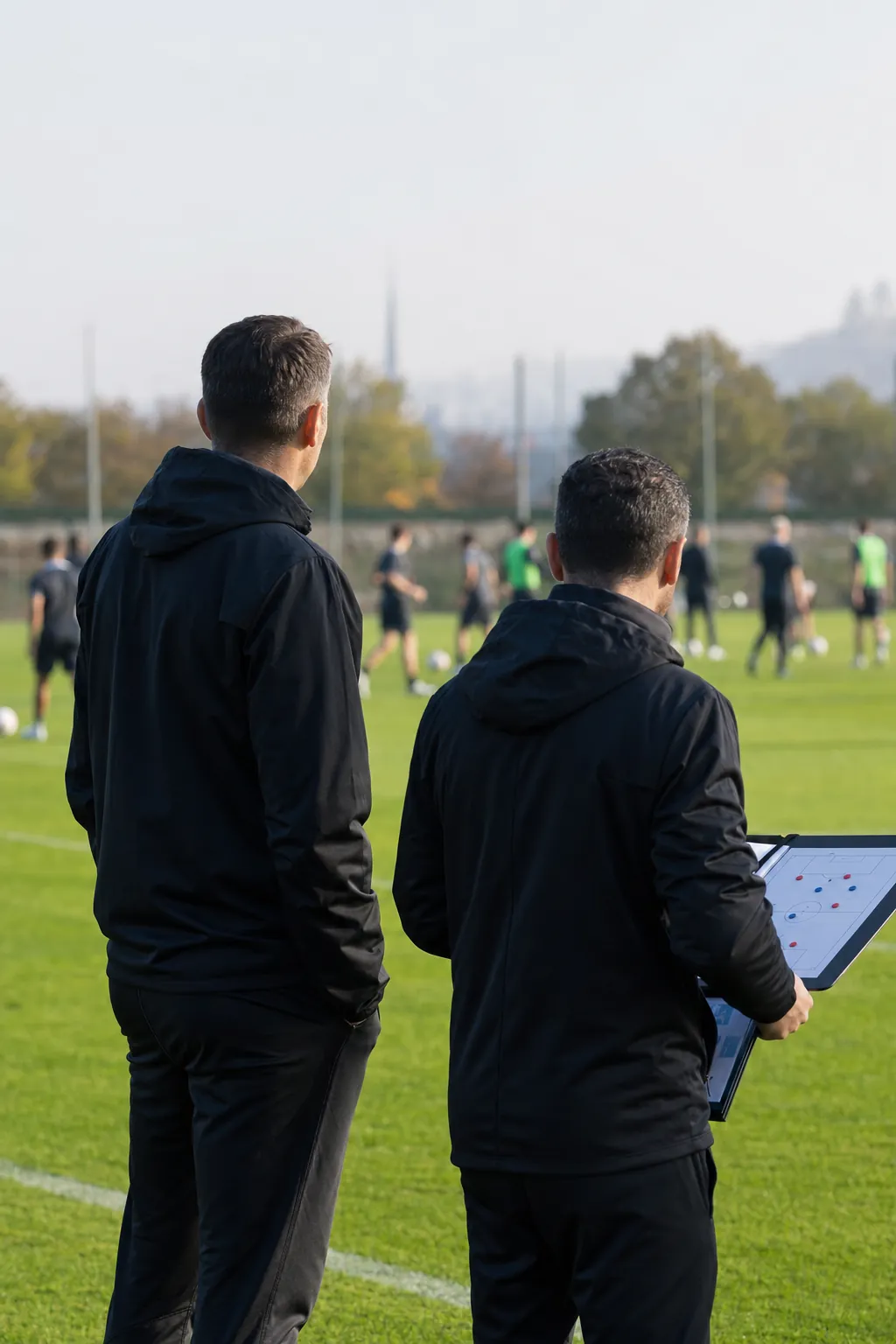
DFLD team operations
Bring the journey, the training plan and the daily team operation into one controlled programme.
Request a travel brief →The job of the journey
Football club travel is not a transport booking with a team list attached. A professional group travels with a performance plan, individual player needs, equipment, medical requirements and a narrow amount of useful time at the other end. The journey needs to leave the group ready to work, rather than creating a series of operational problems for coaches and support staff to solve on arrival.
DFLD begins with the football department's objective. The group may be travelling into a preseason camp, a short international window, a friendly match programme or a competitive fixture. The route, arrival sequence, accommodation, meal timing, training access and recovery plan are then shaped around that purpose. The result is a practical travel programme that protects the team's attention from departure through to the return home.
Travel timings, the first meal, training access and recovery are arranged around the work the staff need to complete.
Players, staff, equipment, accommodation and ground transport move through one shared operating plan.
A practical lead and clear decision points help the group adjust without letting a small disruption consume the day.
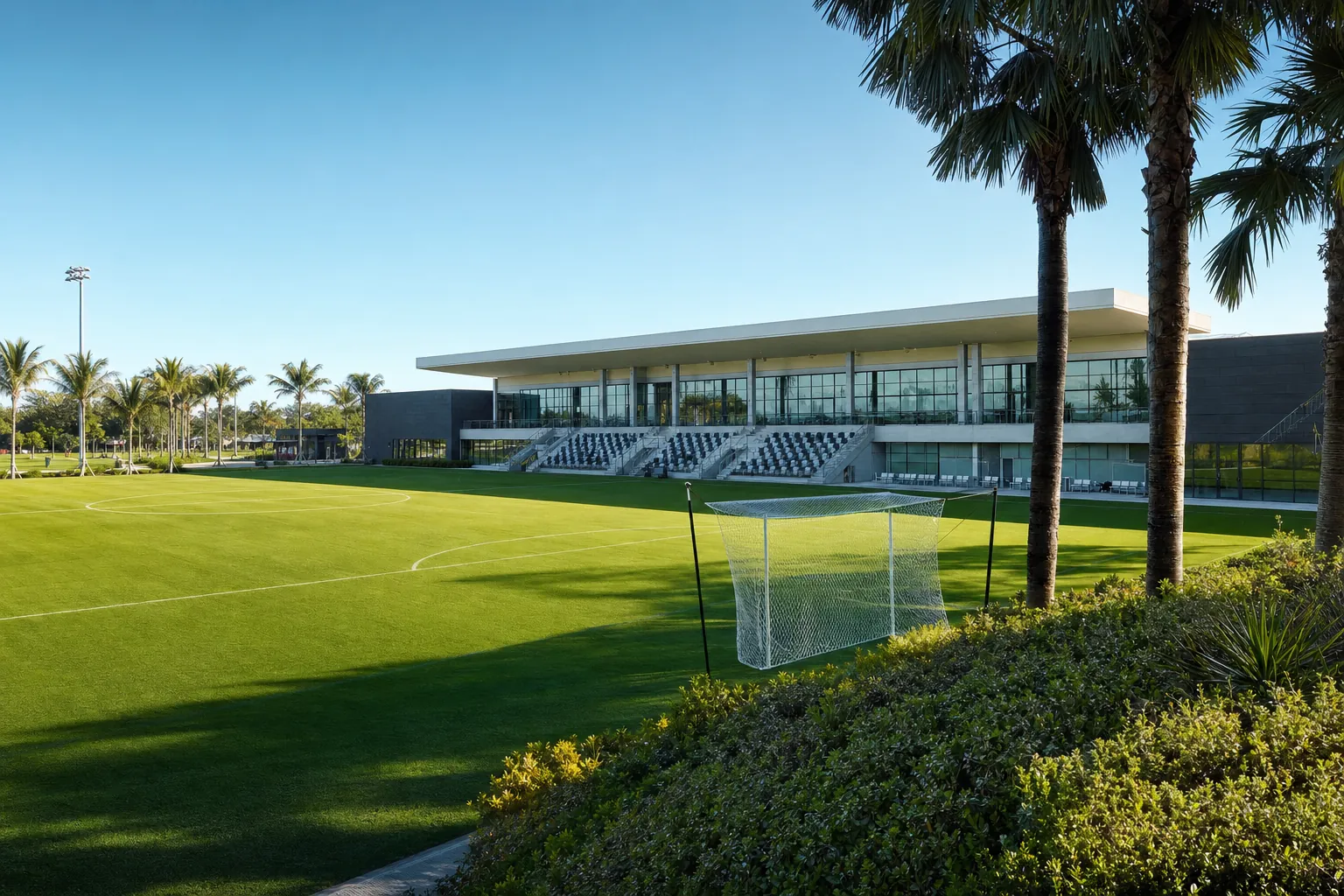
Before the group travels
The critical question is not simply when the group lands. It is what the staff need the first day to achieve. A squad due to train that afternoon needs a different route from a group arriving for an evening meal and recovery. The plan needs to account for player departure points, arrival waves, visa or document requirements where relevant, luggage, equipment, the route from airport to base and whether the team can settle before the first football commitment.
DFLD turns those requirements into one working sequence before the group leaves. Flights or ground movements are considered alongside transfer time, hotel readiness, food, meeting space and training windows. The aim is to give the staff a realistic picture of the first 24 hours, including where the group has margin and where a delay would affect the schedule. That clarity lets the team make good decisions before the journey, not under pressure after it has started.
A shared operating picture
Equipment is part of the football operation, not an afterthought at the airport. Training gear, boots, balls, medical supplies, analysis equipment and match items often have different handling requirements from the travelling group. DFLD plans the equipment route alongside player and staff movements, identifying what must arrive for the first session, who owns each handoff and what information the team needs when a schedule changes.
Staff also need a current, usable view of the day. Coaches should know when the group will be ready to train. Medical and performance staff need confidence that recovery, treatment and food can happen in the right order. Team managers need rooms, vehicles, meeting space and contacts to be clear. A shared run sheet gives each person the information that matters to them, without turning the travelling staff into a transport desk.
On the ground
Once the team arrives, travel continues to shape the football. The distance between accommodation and the pitch, the reliability of vehicles, meal timing, access to recovery facilities and the route to a friendly venue all influence how much energy the group has left for the work. A base can look appealing on paper and still be the wrong choice if the daily movements split the group, add long transfers or leave no room to adjust the schedule.
DFLD coordinates the practical links around the travelling party so the day has a dependable rhythm. That means arrival and departure windows, local transfers, hotel-to-pitch movements, equipment movements, matchday travel and the handoff back to the base are planned as connected parts of the same programme. The group has one clear route for questions and changes, which reduces the small points of friction that can otherwise take attention away from the staff leading the football.
The right plan also gives staff sensible alternatives before a disruption happens. A delayed connection, an earlier check-out, a changed kick-off time or a player arriving separately should lead to a clear next step, not a fresh round of calls across the group. DFLD maps the important decision points early, including who needs to know, what can move and what needs to stay protected. That gives the football department a calmer way to adjust while keeping the core purpose of the day intact.
For a team considering a dedicated camp base, DFLD's professional football training camps bring the travel plan together with training access, recovery and match arrangements. For an overseas programme with more moving parts, the same operating discipline carries through DFLD's international soccer tours.
Matches and changeovers
A friendly or competitive fixture creates a different travel demand from a training day. The team needs the right departure time, warm-up space, staff working areas, equipment handling, post-match food and a sensible return to the base. Those details need to serve the football question behind the match, whether the staff want particular minutes, a specific opposition profile or a controlled step in the wider training cycle.
DFLD can arrange the match operation as part of the travel programme, rather than treating the fixture as a separate event. Through DFLD's FIFA match agent services, the opponent, venue, team movements and matchday needs can be considered together. That helps the group arrive prepared, use the game well and protect the recovery and travel window that follows it.
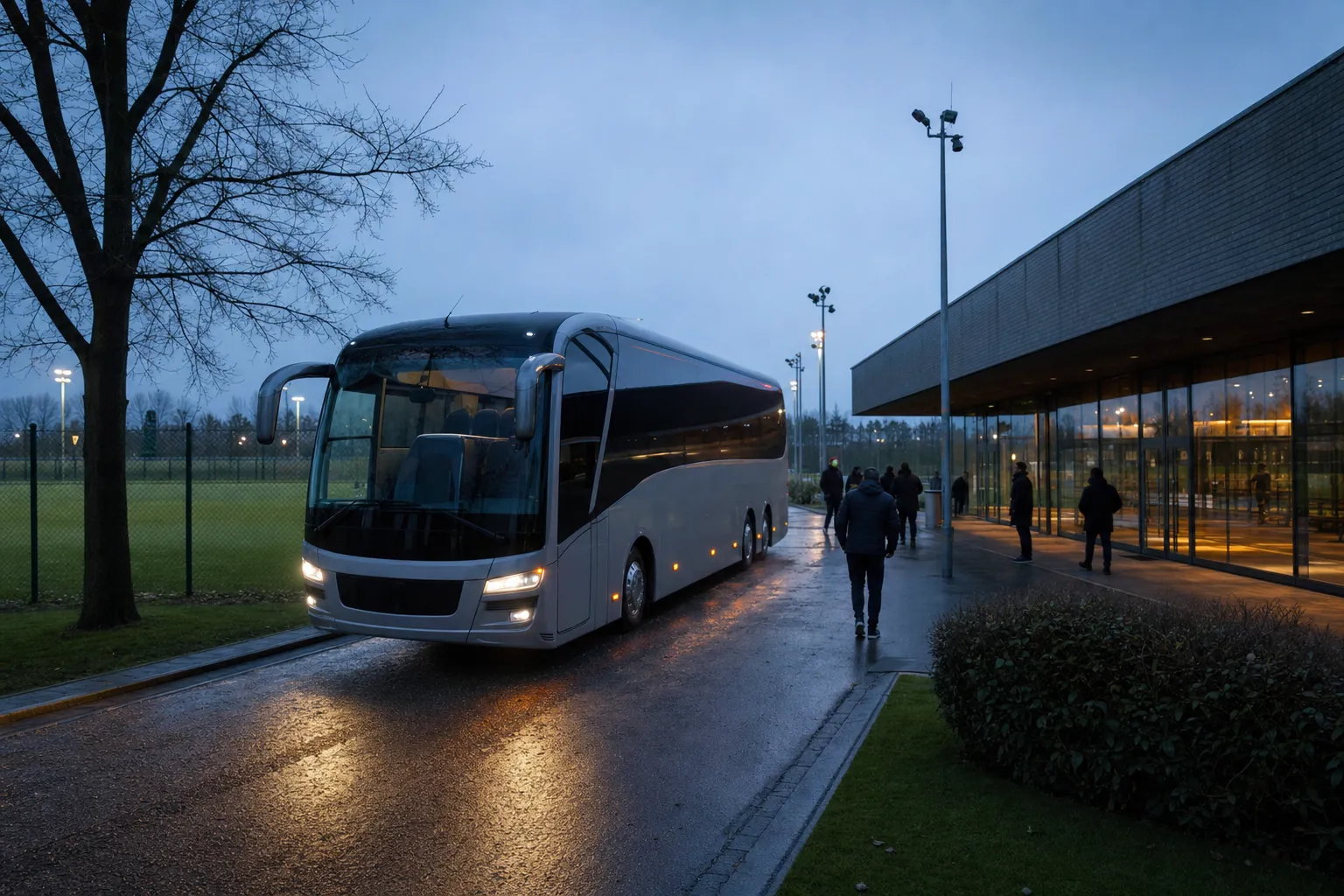
Starting the travel brief
Share the reason for travel, the first and final football commitments, intended training load and the role of any matches. These details shape the arrival rhythm and the amount of time the group needs before it can work properly.
Player, staff and delegation numbers, arrival points, rooming needs and individual considerations help DFLD build a movement plan that works for the real group, not an assumed headcount.
Equipment, medical and analysis needs, transfer preferences, food timing, recovery expectations and matchday requirements make the important handoffs visible before the itinerary is fixed.
A good travel brief does not need every answer from the beginning. It needs enough football and operating detail to set the right priorities. DFLD can then turn that brief into one coordinated travel programme that gives the team a calmer, more useful time away.
Frequently asked questions
DFLD supports professional clubs, national teams, women's professional teams and senior development groups travelling for camps, tours, friendlies and international windows.
Yes. DFLD can plan player and staff movements, equipment, accommodation, training access, recovery, meals and match requirements as one camp or tour programme.
Florida is DFLD's specialist destination. The team can also consider selected European bases when the calendar, climate, travel profile or football objective points to a different environment.
A useful first brief includes the team type, travel dates, departure points, likely group size, equipment needs, first training or match requirement, preferred destination and any player-readiness considerations.
Ready when your team is