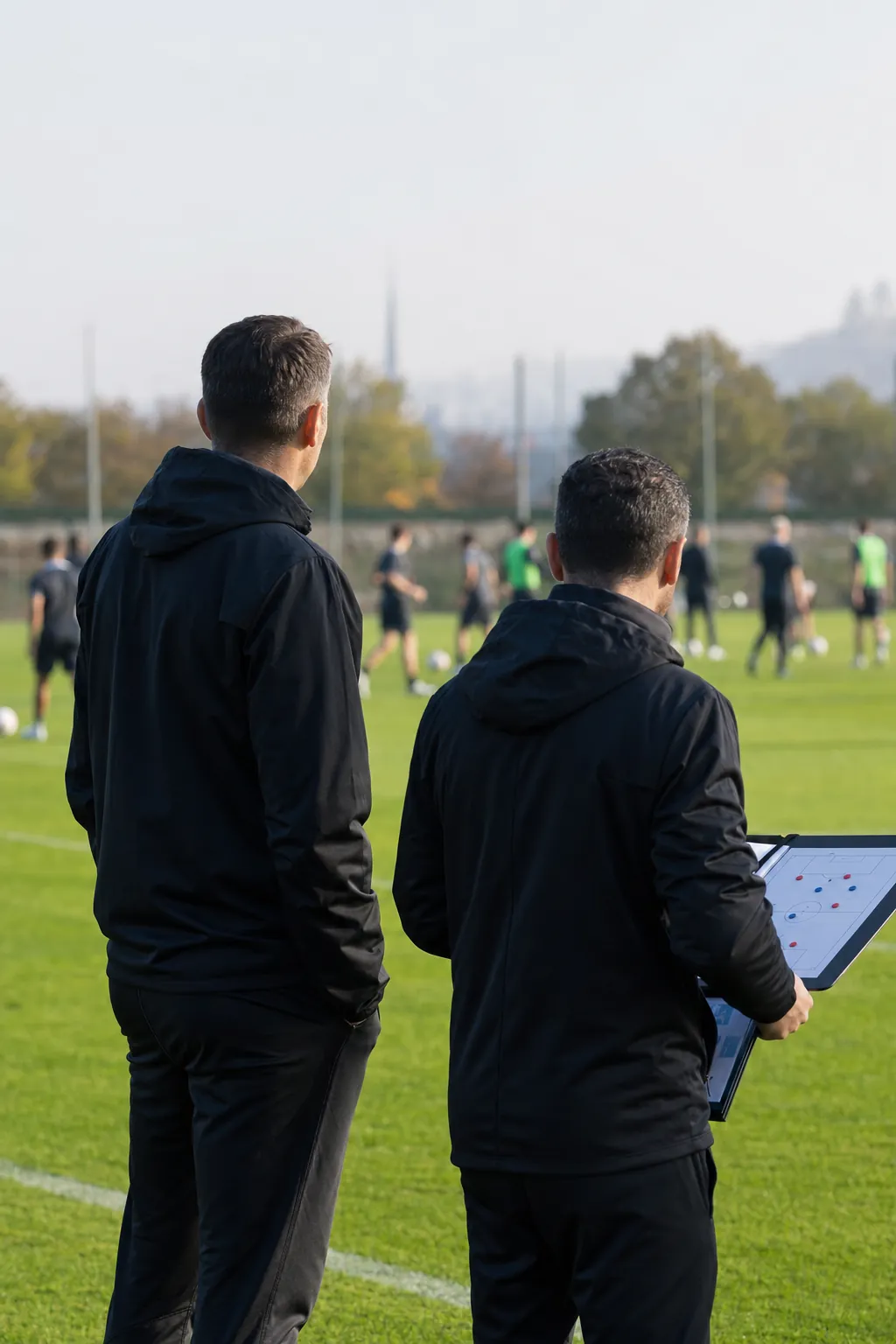
European soccer trips can be a strong way to give a professional group a new training environment, a useful set of match problems or a focused block away from its normal routine. They can also become a long list of bookings that leave the staff trying to protect the football around the edges. The difference is made before the group travels: the base, daily rhythm and operating plan all need to serve the work the team is there to do.
1. Decide what the tour needs to move forward
Start with the football question, not the destination. A team may need a progressive preseason block, a controlled week around an international window, focused preparation before a competition or a sequence of friendlies that gives staff useful information. Those are different jobs. They require different amounts of travel, pitch access, recovery time, privacy and match exposure.
Put the priorities in order before comparing airports, hotels or facilities. What must the coaching staff be able to deliver? How many training windows are essential? Are players arriving at different stages of readiness? Does the group need a particular opponent profile or simply a reliable place to establish training rhythm? A clear answer helps the team make sensible tradeoffs when one part of the plan changes.
DFLD starts its camp-planning process in the same place: dates, squad needs, training intent and the level of opposition required. Once those are clear, the travel and operational decisions have a purpose. Without them, a good-looking trip can easily become an expensive change of scenery.
2. Choose a base that works every day
A European base should be judged by how repeatable the football day will be. The hotel, training ground and recovery setup need to work together from the first morning through the final session. A short transfer that stays predictable at the hours the team will travel is usually more valuable than a better-looking hotel that turns every session into a long movement.
Staff should test the practical chain. Can the group move easily from breakfast to transport, training, treatment, meetings and recovery? Is the team able to protect private time around players and staff? Are the pitch windows dependable enough to support the planned work? Does the facility have the space and access needed for the equipment, analysis and medical routines the group expects?
For training and friendly preparation, the IFAB field-of-play standards offer a useful reference point for a regulation football environment. The more important tour question is whether the actual setup suits the exercises, squad management and match preparation the staff want to run. DFLD's selected football destinations are considered around that daily reality, not a single image of a pitch.
3. Build the arrival around the first useful session
The first day sets the working tone. The group may arrive from several locations, equipment may travel separately and the coaching staff may be looking at a short window before the first meeting or activation. A calm arrival is not a luxury. It is what lets the staff assess the group honestly and make the right decision about the first session.
Work backward from the first forty-eight hours. Confirm the arrival sequence, the location of the equipment, vehicle capacity, rooming, hydration, meal timing and the first staff briefing. If rooms will not be ready immediately, know where the group can wait and what the team needs during that period. If the first day includes travel fatigue, the plan should leave room for recovery rather than force a session simply because it appears on an itinerary.
The operational handoffs need named owners. One person can lead the overall movement while others own passenger information, equipment, rooming or the first-day schedule. That gives the team manager a clearer route to solve a change, and keeps the football staff informed without turning them into travel coordinators.
4. Treat travel time as part of the training load
Every transfer affects the work before and after it. A long coach movement can reduce treatment time, disrupt meal timing and make a scheduled training session feel very different by the time players reach the pitch. The right plan does not simply minimize driving time. It uses the travel rhythm to protect the moments the group needs for preparation, recovery and coaching detail.
Check the real route at the relevant time of day, including loading equipment, meeting the vehicle, local traffic, security and the walk from arrival point to the working area. Then leave sensible margin. Too little margin makes the team rush. Too much creates dead time that players and staff have to manage away from the base. The right answer comes from the session plan, not from a generic transfer rule.
For air travel, a team still needs route-specific confirmation from its airline and ground partners. The IATA baggage guidance is useful background for how baggage moves through the wider aviation system, but a professional group should separately confirm the limits, handling process and contingency plan for its own equipment.
5. Plan the match as a football event, not a diary entry
A friendly on a European tour should answer a specific football question. It may help the coaches test a shape, build controlled minutes, prepare for a particular opponent profile or give returning players a step toward competition. The match becomes useful when the opposition, timing, venue and recovery plan all support that purpose.
Start with the problem the staff want to see. Do they need a game that creates pressure high up the pitch, a more physical challenge, a different defensive picture or simply a dependable match environment close to the base? From there, the details matter: kick-off time, warm-up space, staff working areas, access for equipment, team movement, post-match food and the return journey.
The game should fit the week rather than interrupt it. A good fixture can create a valuable point of reference for the next training block. A poorly placed one can leave the group with an awkward load pattern, a late return and no time to absorb what the coaches learned. DFLD's international soccer tours bring the training, travel and match operation into one programme so the fixture has a clear job to do.
6. Give the daily rhythm enough room to work
The best team tours tend to look straightforward. That is not because nothing changes. It is because the schedule has enough margin to absorb the normal changes without making every department react. Players know when they train, eat, meet and recover. Staff know what needs to happen before each session and who can resolve an operational issue without sending it through a long chain.
Start with the fixed elements, such as training access, travel movements, meal windows and match commitments. Then protect the areas that are often squeezed by a packed schedule: treatment, individual work, staff preparation, equipment setup and genuine downtime. A team does not need a minute-by-minute itinerary to be organized. It needs a stable shape to the day and a clear understanding of what can flex.
For international journeys, teams should also keep current travel documentation and passenger-rights information in one place. The European Union's air passenger rights guidance is a useful reference for flights within the EU, while the team’s own travel lead should maintain the route-specific documents, contacts and decision plan the group will actually use.
7. Keep equipment and information moving together
Equipment can create the most avoidable disruption on a soccer trip because it often follows a different path from the players. Training gear, balls, boots, GPS units, analysis equipment, medical supplies and match items need to arrive in the right order, not simply arrive eventually. The first session can lose value quickly when an essential case is on the wrong vehicle or held in a baggage area.
Build the equipment plan from the training week. Identify the items needed for the first session, then the equipment that supports the wider camp and any separate match requirements. Label each case clearly, confirm its vehicle and storage point, and create a simple loading record that can be checked at departure, arrival, hotel and facility. A small reserve is sensible, but every additional case should have a purpose and a named owner.
The same principle applies to information. One current run sheet should show movements, contacts, training locations, meal times, meeting plans, equipment responsibilities and any open decisions. It does not need to be a large document. It needs to be the version people can trust when a session time changes or a player’s travel plan moves.
8. Keep decisions close to the football
Tour plans do not need a complicated approval system, but they do need a reliable way to handle the changes that appear once a group is on the ground. A facility may move a training slot, a flight can alter an arrival plan, a player may need a different recovery route or an equipment case may need to go directly to a second venue. The key is knowing who can make the next practical decision and who needs to be informed.
Agree that rhythm before departure. The football staff should be able to protect the sporting priorities. The people running the operation should have enough authority and current information to solve smaller issues early. A short daily check between the relevant leads can prevent a minor change from becoming a late-night problem for the whole group. The aim is not more meetings. It is fewer avoidable surprises around players and staff.
9. Plan the return before the final training day
The return is part of the tour, not the point at which the operation stops. Confirm the departure sequence, equipment loading, hotel checkout, food, recovery needs and the handover back to the home environment before the final session. After a friendly, the plan also needs to account for different player minutes and any treatment or recovery work that should happen before travel.
Close with a short review while the details are still useful. Which transfer needed more margin? Which training window worked best? Did the hotel and facility support the staff as expected? Where did equipment slow down? Those answers make the next trip better because they turn experience into a more precise operating plan rather than a vague memory.
How DFLD helps teams plan European soccer trips
DFLD plans around the football department’s brief. The group’s dates, training purpose, squad needs, preferred opposition and travel profile shape the base, the daily rhythm and the operating plan. Training access, accommodation, transport, friendlies and on-site delivery are kept connected so the staff can focus on the work instead of the friction around it.
For a European programme or a Florida-based camp, the right place to start is a camp brief that explains what the team needs to achieve, when it needs to happen and what the environment must make possible.
Frequently asked questions
How far ahead should a professional team plan a European soccer trip?
Start as soon as the sporting purpose and credible dates are known. The early work should protect the difficult pieces first, including a suitable training base, travel rhythm, team accommodation, equipment movement and any friendly requirements. The finer details can develop once those foundations are secure.
What makes a good European base for a soccer team?
The best base is the one that lets the football day repeat at the required standard. Staff need reliable pitch access, practical movement between accommodation and training, suitable meeting and recovery space, a calm meal rhythm and enough privacy for the group to work without unnecessary interruptions.
Should a European soccer trip include friendly matches?
A friendly is useful when it answers a football question. The opponent, timing, venue, minutes plan, travel and recovery should all support the work the staff need to complete. A fixture added only because it is available can disrupt the training plan rather than strengthen it.
What should be in a team tour brief?
A useful brief includes the group type and size, dates, intended length of stay, training priorities, preferred climate or destinations, likely travel party, equipment needs and any match requirements. That gives the football and operations teams a clear starting point for choosing the right environment.