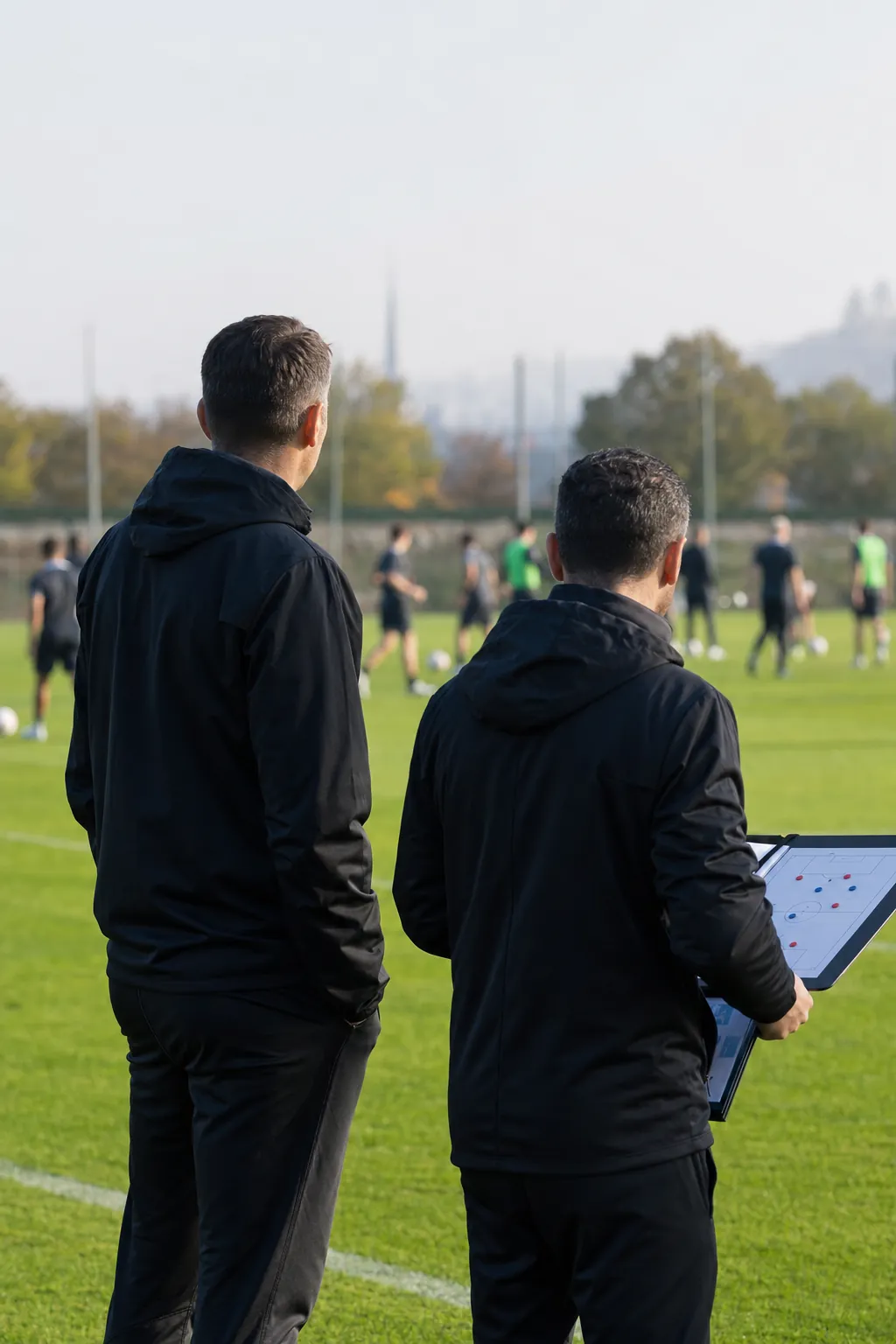
For a professional group, soccer team travel is part of the performance plan. The journey affects the first meeting, the quality of the first session, how quickly players recover and how much attention the staff can keep on the football. A good trip feels uneventful because the difficult decisions were made before anyone reached the airport.
1. Build the trip from the football plan
Start with the work the staff want to complete, then work backwards. A group due to train shortly after arrival needs an entirely different travel rhythm from a group arriving late for a recovery day. The travel plan should answer practical questions early: when can the team leave the airport, when will they eat, when can equipment reach the facility and what does the first evening need to achieve?
That means agreeing the non-negotiables before comparing flight times or hotel options. Set the camp dates, training windows, first-session intention, expected squad size, staff requirements and any friendly-match commitments. DFLD uses the same football-first starting point in its camp-planning process, because an attractive itinerary is not useful if it creates friction around the actual work.
Give each journey a clear purpose. The outbound trip is about getting the group into a stable working rhythm. A matchday movement is about arriving with enough time and control to prepare. The return trip is about completing the camp without leaving equipment, welfare or player-status questions to chance. When every movement serves the sporting plan, the team can make sensible tradeoffs without losing sight of what matters.
2. Define the travel party and its responsibilities
A travel party is more than a headcount. Players, coaches, medical staff, performance staff, analysts, equipment staff, team operations and safeguarding needs all create different requirements. Confirm the group in enough detail to know who needs a seat, room, credential, vehicle place and meal arrangement, but do not turn the list into a document that only one person understands.
Assign an owner to each operational area. One person should own passenger information and documents, another the equipment movement, another hotel rooming and another the first-day schedule. That does not remove the need for an overall operations lead. It gives that lead a clear person to call when the departure gate changes or a vehicle is short.
Keep the travelling group and daily decision-makers aligned. The head coach does not need to review luggage counts, but the football staff do need to know the arrival flow, first meal, training window and when a change affects the session. A short, current run sheet is stronger than a polished itinerary that stops being useful the moment a flight is delayed.

3. Treat equipment as its own operation
Equipment creates the most avoidable anxiety in soccer team travel because it often moves on a different path from the players. Training gear, boots, balls, GPS units, medical supplies, analysis equipment and match items need to arrive in the right order, not simply arrive eventually. The first training session can be compromised by one case sitting in a baggage area or on the wrong vehicle.
Build the list from the sessions on the plan. If the team is holding a tactical session on the first afternoon, confirm the items needed for that session first, then add the wider camp stock. Group items by function, label every case clearly and create a loading record that can be checked at departure, arrival, hotel and facility. The IATA baggage guidance is useful background when discussing baggage processes, but the team still needs to confirm the specific carrier, aircraft and route limits in writing.
Separate essential items from replaceable ones. A club can usually source water or basic training cones locally. It may not be able to replace specialized medical equipment, a particular analysis setup or the items needed for a friendly. Keep a small contingency allocation, but do not make it a vague “just in case” pile. Every extra case should have a purpose, an owner and a place in the transport plan.
4. Protect the first six hours after arrival
The first six hours shape the rest of the day. A professional group should not arrive at a hotel only to wait for rooms, search for food, split across too few vehicles or discover that the meeting space is somewhere else in the building. The handoffs from airport to coach, coach to hotel and hotel to training ground need to be planned as one sequence.
Start with the arrival order. Decide who meets the group, where baggage is collected, which vehicle carries equipment and where the team can wait if rooms are not immediately ready. Confirm the meal and hydration plan before the group lands, especially when the arrival window sits between normal service times. A simple welcome point, clear rooming allocation and a named contact at each location keep the group calm without creating a fuss around them.
Then protect a short reset before staff ask for anything demanding. Players may need food, treatment, a room, a walk or a quiet period before the first briefing. That is not indulgence. It is the practical space that lets staff judge the group honestly before deciding whether the first session should be activation, tactical work or recovery.

5. Make the hotel work as a team base
A team hotel is part of the operating environment, not just the place where the group sleeps. The important test is whether players and staff can move between meals, meetings, recovery, rooms and transport without unnecessary public traffic or long delays. Privacy, flexible meal times, meeting space, lift access and the relationship between reception, rooming and the team floor all matter more than a generic description of the property.
Share the working rhythm with the hotel early. The team needs to know whether breakfast will be ready before an early departure, how a late post-match meal will work and who can respond when rooming changes. Staff should also know where they can meet, prepare video, handle treatment and organize equipment without turning a public area into a temporary office.
For a camp, it is worth choosing the hotel and training base together. A beautiful hotel that creates a long, unpredictable transfer can become expensive in player time and staff energy. DFLD’s professional football training camps are planned around that daily practicality, with the accommodation, training access, recovery and operating flow considered as one environment.
6. Plan every training transfer as a session support
The route to training is not a gap between important events. It determines when players eat, when medical staff can work, when coaches can prepare and how relaxed the group feels by the time they walk onto the pitch. Confirm the real travel time at the expected hour, including loading equipment, security, local traffic and the walk from vehicle to the relevant training area.
Build margin without wasting the day. Leaving too late creates stress. Leaving so early that players sit around a facility for an hour creates a different sort of fatigue. The right departure time depends on the session plan, changing facilities, pitch access and whether players need treatment or individual preparation before the work begins. DFLD’s selected training destinations are evaluated around these details, not only the quality of a single pitch.
Confirm the basics with the venue in a shared language: which pitch, what time, where the team enters, where equipment is stored, what happens if weather changes the plan and who can authorize a late adjustment. The IFAB field-of-play standards help set a reference point for a regulation football environment, but staff still need to check the actual session setup, equipment access and privacy the team will use.

7. Keep one living operating plan
Every department should be working from the same current version of the day. It does not need to be a fifty-page manual. It needs to show movements, confirmed contacts, meal windows, training locations, meeting times, medical needs, equipment responsibilities and the decisions that are still open. If someone new joins the trip, the document should help them become useful quickly.
Use a clear escalation route. If a vehicle is late, who decides whether the team waits or uses an alternative? If the training facility changes a slot, who checks the impact on meals, treatment and the coach’s plan? If a player’s arrival changes, who updates rooming and the medical staff? The best time to answer these questions is before the first disruption.
Keep the tone calm and factual. A good operations plan should reduce calls and messages, not create a larger chain of approval. The people closest to the football need enough information to act, while the people coordinating the day need enough authority to solve small problems before they become senior-staff problems.
8. Use a 72-hour check before departure
Seventy-two hours before travel, move from planning to confirmation. Check the passenger list against the booking, reconfirm transfers and vehicle capacity, make sure the hotel has current rooming and meal requirements, and confirm the first training slot with the facility. This is also the point to identify any player, staff or equipment movement that does not follow the main group.
Twenty-four hours before departure, reduce the plan to the information the group will actually use. Send confirmed reporting times, the meeting point, luggage expectations, arrival contacts and the first few key timings. The football staff should see the shape of the first day. The operations team should hold the fuller contact list, contingency decisions and supplier confirmations behind it.
On departure day, avoid adding new information unless something genuinely changes. The staff should be able to execute the agreed flow, not search through messages for the latest version. A final check of passports, essential equipment, medical items, flight status and ground transport is usually more valuable than another round of planning calls.
9. Finish the camp with the return already in view
Return travel should be prepared before the final session, not after it. Confirm departure times, baggage collection, equipment loading, hotel checkout, food, medical needs and the handover that follows once the group reaches its home base. For a team leaving after a friendly, the return plan also needs to allow for recovery, treatment and the different needs of players who have had different minutes.
Close the camp with a short operational review. Capture the information that makes the next trip easier: which transfer had too little margin, which rooming arrangement worked, where equipment slowed down and which facility time helped the staff most. That review is not about blaming a supplier or writing a long report. It is how a team stops repeating small compromises.
For teams moving between Florida and international locations, DFLD combines the travel flow with training access, accommodation, friendlies and on-site delivery. The right place to start is a camp brief built around the squad, dates, training priorities and the kind of day the staff need to run.
Frequently asked questions
How far ahead should a soccer team plan travel for a training camp?
Start the practical planning as soon as the football brief and dates are credible. The earlier work is not about locking every minute of the day. It is about protecting the limited things that are difficult to replace later, including suitable flights, training access, team accommodation, vehicle capacity and the right equipment plan.
What should a professional soccer team pack for a training camp?
The equipment list should follow the training plan, not habit. That usually means training gear, medical and recovery items, video or communications equipment, match requirements and a small reserve for the items that are hard to source locally. Each case needs a named owner, a clear destination and a check at both ends of the journey.
Should a team train on the day it arrives?
It depends on the journey, the arrival window and the purpose of the first session. A short activation may help a group settle after a simple trip, but a long transfer or a late arrival can make a protected recovery period more useful. The travel plan and training plan need to be made together.
What is the biggest risk in soccer team travel?
The common problem is not one dramatic failure. It is a chain of small unclear handoffs, such as missing equipment, a late coach, an unavailable meeting room or an arrival that leaves no time to eat and recover before training. A clear operating plan keeps those details from consuming the staff's attention.